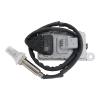
Understanding the Role of a NOx Sensor in Heavy-Duty Trucks: What You Need to Know


In the world of heavy-duty trucking, efficiency and environmental compliance are paramount. As regulations become stricter and technology advances, components like the NOx sensor have become crucial in ensuring that trucks meet both performance and emission standards. But what exactly does a NOx sensor do, and why is it so important for heavy-duty trucks? In this blog post, we’ll delve into the function of NOx sensors, their benefits, and how they contribute to the overall performance of heavy-duty trucks.
What is a NOx Sensor?
A NOx (Nitrogen Oxide) sensor is an essential component in modern heavy-duty trucks equipped with diesel engines. It measures the concentration of nitrogen oxide in the exhaust gases of the truck's engine. Nitrogen oxides are pollutants that contribute to smog and acid rain, making their control critical for meeting environmental regulations.
How Does a NOx Sensor Work?
The NOx sensor operates by detecting the level of nitrogen oxide in the diesel
exhaust stream. Here’s a simplified overview of its functioning:
1. Detection: The sensor is placed in the exhaust system, where it analyzes the
gases as they exit the engine.
2. Measurement: It measures the concentration of NOx in the exhaust and
sends this data to the engine control unit (ECU).
3. Adjustment: Based on the NOx level readings, the ECU adjusts the engine's
performance and the operation of the Selective Catalytic Reduction (SCR)
system or other emission control technologies to reduce NOx emissions.
Why is a NOx Sensor Important for Heavy-Duty Trucks?
1. Compliance with Emission Standards: Heavy-duty trucks must adhere to
stringent emission regulations. A NOx sensor helps ensure that the vehicle
stays within legal NOx emission limits, avoiding fines and ensuring
compliance with environmental laws in certain states.
2. Optimized Engine Performance: By providing real-time data on NOx
levels, the sensor enables precise adjustments to the engine and emissions
control systems. This leads to improved fuel efficiency and reduces
operational costs or cost per mile.
3. Extended Component Life: Properly functioning NOx sensors contribute to
the longevity of the truck’s exhaust system and other emission control
components by ensuring they operate within optimal parameters.