Surge Tanks
When it comes to heavy duty surge tanks, fleet managers and owner-operators trust American Radiator for reliable aftermarket and custom-built options. Our inventory includes replacement surge tanks designed for top truck brands like Freightliner, International, Kenworth, Peterbilt, Volvo, and Western Star, ensuring a direct fit and dependable performance. Each radiator surge tank, also known as a coolant reservoir or expansion tank, is built to maintain cooling system balance, prevent overheating, and extend the life of your engine.
With same day shipping, American Radiator delivers surge tanks quickly, minimizing downtime for commercial fleets and independent drivers. For unique applications, our in-house radiator repair shop fabricates custom surge tanks with fast turnaround to meet specialized needs. Whether you’re replacing a cracked Freightliner Cascadia expansion tank, upgrading a Kenworth T680 surge tank, or sourcing a hard-to-find Western Star coolant reservoir, we’ve got the solution.
Call 877-203-4572 for expert assistance in choosing the right aftermarket surge tank for your heavy-duty truck. American Radiator combines quality, speed, and service, making us the trusted choice for semi truck surge tanks nationwide.
What is the function of a surge tank in a heavy-duty radiator system?
A surge tank (also called expansion tank) allows coolant to expand and contract without creating air pockets. It helps maintain stable system pressure, prevents cavitation, and ensures consistent coolant flow during engine load changes.
How do I choose the correct surge tank for my application?
Select one that matches your radiator’s mounting points, inlet/outlet locations, capacity, hose connections, and tank orientation. Use OEM specifications or your original tank’s dimensions to ensure compatibility.
Can I install a universal surge tank or must it be model-specific?
You can use a universal tank if it matches your system’s specifications, mounting points, and hose layouts. However, model-specific units offer better fit, optimal hose routing, and reduced installation complexity.
When should a surge tank be replaced?
Replace it if you see signs of leaking, cracking, warping, degraded seals, or coolant foaming. Also replace the tank whenever you rebuild the cooling system or suspect internal corrosion or pressure loss.
What signs indicate a failing surge tank?
Warning signs include coolant overflow or loss, trapped air in the cooling system, fluctuating engine temperature, bubbling in the tank, or coolant sloshing noise during operation—these suggest the surge tank is no longer maintaining proper system function.
-
 Special Price $18.00 Regular Price $9,999.00Mack Coolant Recovery Tank | 25133601Part Number= 556516Low Stock - Call for Availability
 -
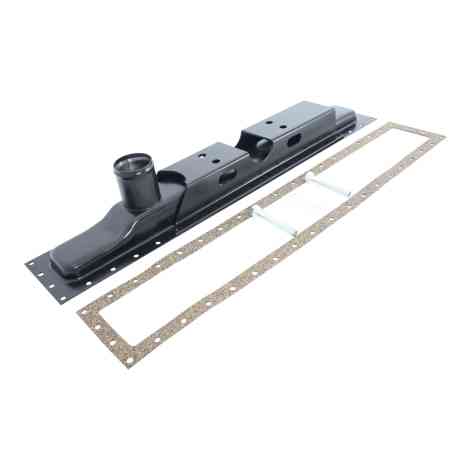 Special Price $352.00 Regular Price $9,999.00PETERBILT RADIATOR BOTTOM TANK ONLY | OEM 0706594Part Number= 557027
 -
 Special Price $359.00 Regular Price $9,999.00FREIGHTLINER | STERLING SURGE TANK: CLASSIC, ACTERRA | OEM A0523063000Part Number= 5555231
 -
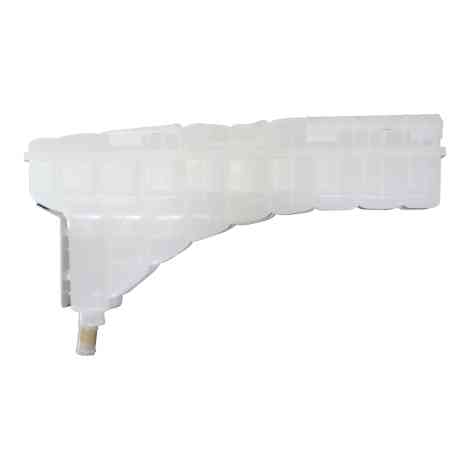 Special Price $118.00 Regular Price $9,999.00KENWORTH PETERBILT SURGE TANK OEM# N5346001Part Number= 557001ALow Stock - Call for Availability
 -
 Special Price $116.00 Regular Price $9,999.00FREIGHTLINER M2 SURGE TANK OEM# A05-28531-000 A05-28531-001 A05-28531-002Part Number= 551002
 -
 Special Price $150.00 Regular Price $9,999.002018 & NEWER FREIGHTLINER CASCADIA EXPANSION TANK OEM# A05-32836-000Part Number= 556000
 -
 Special Price $76.00 Regular Price $9,999.00INTERNATIONAL 4000 SERIES SURGE TANK OEM# 2002105C3Part Number= 557053ALow Stock - Call for Availability
 -
 Special Price $371.00 Regular Price $9,999.00PETERBILT 387 BOTTOM TANK ACERT ENGINE 2004-2007 MOUNT STUDS 18 3/4" ON CENTERPart Number= 557028
 -
 Special Price $228.00 Regular Price $9,999.00INTERNATIONAL | NAVISTAR STEEL SURGE TANK | OE 2508700C92 2587279C91 2587279C92Part Number= 555A69792STLow Stock - Call for Availability
 -
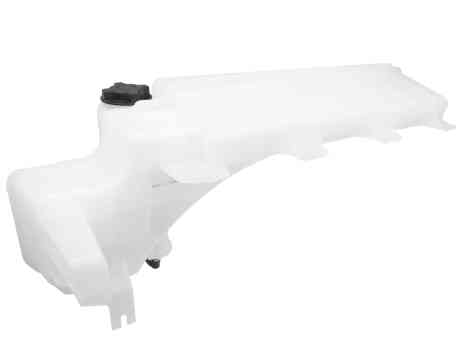 Special Price $120.00 Regular Price $9,999.00VOLVO | MACK COOLANT RESERVOIR SURGE TANK: VNL, CXU: OEM 20968795 & MOREPart Number= 5523031A
 -

-
 Special Price $363.00 Regular Price $9,999.00KENWORTH TOP SURGE TANK: W900: OEM X3606 X4902 3A055208Part Number= 557023Low Stock - Call for Availability