
The Benefits of Regular DPF Cleaning for Construction Equipment
The Benefits of Regular DPF Cleaning for Construction Equipment
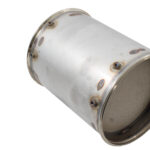
Regular DPF cleaning for construction equipment provides clear performance and cost benefits for fleets that rely on their machines every day. Construction equipment operates in harsh conditions. For example, long idle times are common on jobsites. In addition, heavy loads and stop-and-go cycles are routine. As a result, soot and ash build up quickly inside the diesel particulate filter (DPF).
Improved Engine Performance and Efficiency
As buildup increases, exhaust flow becomes restricted. Consequently, backpressure rises inside the system. The engine must work harder to push exhaust gases through the filter. Because of this added strain, fuel efficiency drops and operating temperatures increase.
Over time, this stress accelerates wear on key components. However, keeping the DPF clean allows the engine to breathe properly. Exhaust flows more freely. As a result, the engine can operate within its designed efficiency range. Power delivery becomes more consistent, and throttle response improves. Most importantly, fuel consumption decreases.
Better Fuel Economy Across the Fleet
One of the biggest advantages of regular DPF cleaning for construction equipment is improved fuel economy. When the restriction is removed, the engine does not need to burn excess fuel to maintain output. Therefore, overall fuel costs are reduced across the fleet.
Even small efficiency improvements can add up over hundreds or thousands of operating hours. In fact, fuel savings often become noticeable within a short period of time. For a deeper explanation of the connection between clean filters and fuel savings, read How Clean DPFs Improve Fuel Economy.
Reduced Wear and Lower Repair Costs
Routine DPF service also protects critical engine components. Specifically, reduced backpressure lowers stress on turbochargers, EGR systems, and aftertreatment sensors. As a result, unexpected repairs become less frequent.
Furthermore, extending the life of these components helps stabilize maintenance budgets. Instead of reacting to warning lights, fleets can schedule service based on engine hours and operating conditions. This proactive approach improves reliability and reduces costly surprises.
Less Downtime and Stronger Compliance
Downtime is a major concern for construction fleets. If restriction becomes severe, warning lights may activate. In some cases, equipment enters limp mode or shuts down entirely. Consequently, projects are delayed and labor costs increase.
Preventive cleaning significantly reduces the likelihood of these events. At the same time, regular DPF maintenance supports emissions compliance. Clean filters help ensure equipment operates within required environmental standards.
For contractors who want to make DPF cleaning part of a preventive maintenance plan, professional service is essential. Learn more about scheduling service by visiting our DPF cleaning page.
Regular DPF cleaning is more than routine maintenance. Instead, it is a strategic investment in fuel efficiency, uptime protection, equipment longevity, and long-term cost control for construction fleets.

