
Bungs
Upgrade your diesel emissions system with premium-grade DPF bungs engineered by American Radiator for precision, performance, and reliability. These stainless-steel weld bungs are designed for DPF, DOC, and SCR exhaust systems, providing perfect sensor alignment for temperature, NOx, O₂, and pressure sensors on Freightliner, Kenworth, Peterbilt, Volvo, International, and other heavy-duty truck applications.
Built to OEM-grade standards, each DPF weld bung resists corrosion, vibration, and high exhaust heat to maintain a tight seal and ensure accurate sensor data. Replacing damaged or corroded bungs restores proper emissions control, improves fuel efficiency, and extends the life of critical DPF components.
These aftermarket exhaust bungs fit standard thread sizes — M10, M12, M14, and M16 — ensuring universal compatibility and simple installation. Designed for technicians, fleets, and repair professionals, American Radiator’s diesel sensor bungs deliver consistent performance, long-term durability, and reduced downtime.
For unmatched dependability and precision fit, trust American Radiator — your nationwide supplier of DPF system parts, emission components, and heavy-duty exhaust solutions that keep trucks running cleaner, longer, and stronger.
What are DPF bungs used for?
DPF bungs are threaded or flanged fittings welded or inserted into diesel particulate filters to mount sensors (like NOx, temperature, or pressure sensors) or injectors for diagnostics and emissions control.
How do I choose the correct bung size and thread type?
Match the bung’s thread size, depth, diameter, seating angle, and material. Use the OEM specification or the sensor’s requirements (e.g. M8×1.25, 1/8 NPT, etc.) to ensure compatibility.
Are DPF bungs compatible across different filter brands?
Often yes—if they share matching thread sizes, material specs, and fitting orientation. Always confirm your sensor’s bung requirements and filter wall thickness before selecting one.
Can I weld my own bung into a DPF?
Yes, if done properly with compatible materials (e.g. stainless steel) and correct welding technique. Misalignment, overheating, or improper welds can compromise the DPF structure or introduce leaks.
When should I replace DPF bungs?
Replace any bung damaged, stripped, corroded, or leaking. Also replace when installing new sensors or upgrading systems to prevent exhaust leaks or sensor failure.
-
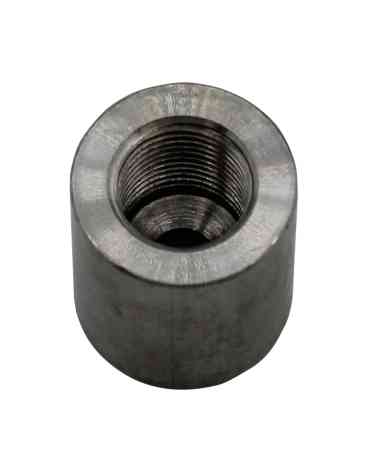 Special Price $10.00 Regular Price $9,999.0014MM X 1.25 - 7/8" NORMAL FLARE BUNGPart Number= 21B4004
 -
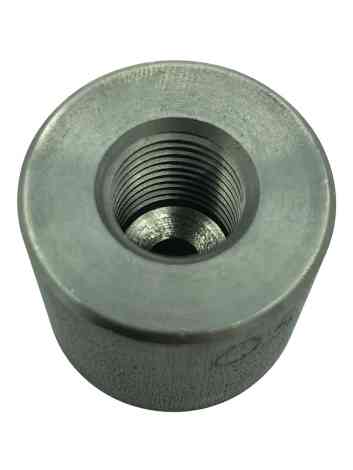 Special Price $15.00 Regular Price $9,999.0012MM X 1.25 - 3/4" NORMAL FLARE BUNG BN1010Part Number= 21B4010